
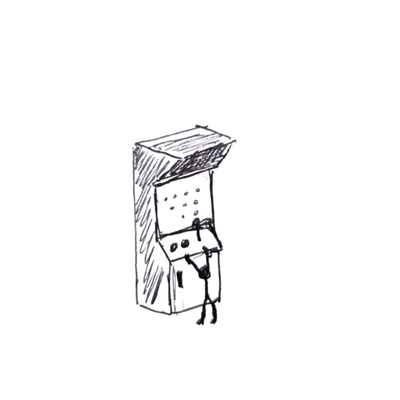
Retro & Arcade Gaming: (Just like Mum used to make)
Old games never really die — they just find new homes. PC gaming has an unbroken line back to the earliest arcade machines, and in 2026 playing the classics has never been easier. GOG and Steam carry thousands of preserved titles. Emulation covers everything else. And the hardware to play them properly — arcade sticks, retro controllers, dedicated setups — is better than it’s ever been. This is the section for people who love where games came from as much as where they’re going.
How to Play
The sticks, controllers, consoles and machines that get you actually playing the classics.
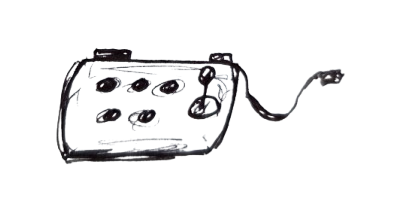
The satisfying clack of a Sanwa joystick changes the experience entirely. Every budget covered, from first-time buyers to tournament-ready hardware.
See our picks →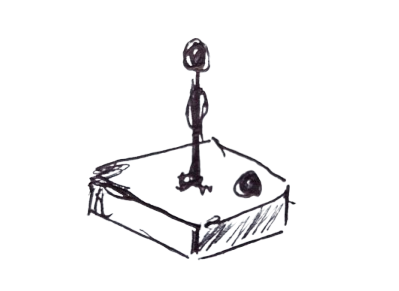
Most modern controllers get the D-pad badly wrong. 8BitDo dominates this list, and here’s why.
See our picks →
From the NES to the Dreamcast — original hardware, modern minis, and premium Analogue machines, covered properly.
Read the guide →
Plug-and-play classics, no setup required. The best of the mini console boom, ranked.
See our picks →
A tiny computer, a microSD card, and a weekend afternoon. Thousands of classic games across dozens of systems.
Read the guide →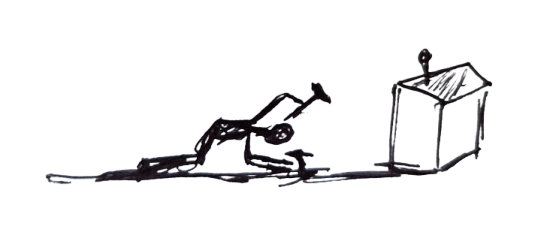
A machine that looks like it belongs in a 1980s chip shop. Flat-pack kits, scratch builds, and everything in between.
Read the guide →
The most powerful home console of the early 1990s, and how to own one now: original hardware, the MVS route, and the AES+ remake.
Read the guide →What’s Worth Playing
The back catalogue is enormous. Here’s where to start.
Half-Life, Diablo II, Grim Fandango — not just historically important, still genuinely great games.
See our picks →Digital via Switch Online and PS Plus, or hunting physical copies at car boots and CEX — here’s what’s worth your time.
See our picks →
Eight-bit beeps, rubber keys, and tape decks that took four minutes to load a game. Originals and modern replicas covered.
Read the guide →The Monthly Retrospective
Some games deserve more than a mention in a roundup. Once a month we go back to a game that mattered — what made it, why it still does, and where you can find it now. Coming up: Paperboy, Star Fox and more.
-

Looking Back: Metal Slug (1996)
In 1994, Irem stopped making arcade games. The company that had given the world R-Type wound down its development department, and a group of its arcade staff —…
-

Looking Back: Golden Axe (1989)
By 1989, beat-’em-ups had a template, and everyone knew what it was. Two years earlier, Double Dragon had set the rules: city streets, gangs, fists. Sega’s Makoto Uchida…
-

Looking Back: R-Type (1987)
Some links on this page are affiliate links. If you buy through them, PC Play may earn a small commission at no extra cost to you.Most arcade games…
-
Looking Back: Sensible Soccer (1992)
Some links on this page are affiliate links. If you buy through them, PC Play may earn a small commission at no extra cost to you.It’s World Cup…
-
Looking Back: Double Dragon (1987)
Some links on this page are affiliate links. If you buy through them, PC Play may earn a small commission at no extra cost to you. Last month…
-

Looking Back: Streets of Rage (1991)
Some links on this page are affiliate links. If you buy through them, PC Play may earn a small commission at no extra cost to you. Streets of…
-

Looking Back: Ecco the Dolphin (1992)
Some links on this page are affiliate links. If you buy through them, PC Play may earn a small commission at no extra cost to you. Most Mega…
-
Looking Back: Marble Madness (1984)
Marble Madness is a four-minute game. Six courses, a timer counting down, and a marble that does exactly what physics would suggest when you roll it off…
-
Looking Back: Cannon Fodder (1993)
The title screen said it all. A lone poppy. Richard Joseph’s gentle, melancholic theme — “War! Never Been So Much Fun” — playing quietly underneath. Before you’d pressed…
Looking Back: Companies
The Studios Behind the Games
Once a month, alongside the game, we tell the story of the company that made it: where it came from, what it got right, and what happened next.
-

Looking Back: SNK
Every arcade in the 1990s had one: a cabinet with a little game-select screen, offering four or six games in one box. You fed it a coin, picked…
-
Looking Back: Gaming Companies – SEGA
Before Sega made a single video game, it was selling slot machines to American military bases. That’s not a footnote — it’s genuinely where the company came from,…
Retro News
What’s happening in the world of retro and arcade gaming right now.
SNK’s most legendary home console returns, now delayed to September 2027. What’s changed, and what hasn’t.
Demand before launch outpaced what SNK expected, and it’s part of why the launch slipped a year.
Not a reboot in name only — the people who made the 1992 original are behind this one too.
SNK’s ownership structure, explained plainly — and what it does and doesn’t mean for buyers.
Yes, really. 36 years. Here’s the story of the longest-running sequel in gaming.
While everyone watched the movie deal, Atari built something bigger in the background.
A realistic look at what’s actually valuable in that box of old carts in the loft.
More retro hardware is being made right now than at any point since the originals. What’s driving it.